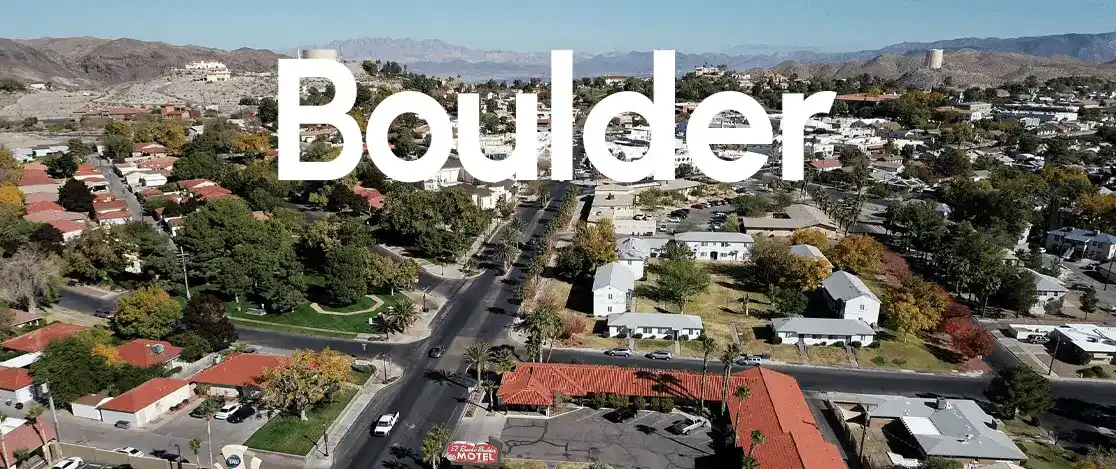
The beauty of Boulder, Colorado, goes far beyond being a picture-perfect background to the unique Flatirons. The city supports a sophisticated luxury real estate market fueled by a growing innovation-based economy and a world-class outdoor lifestyle. As 2026 unfolds, the "Silicon Valley of the Rockies" continues to attract tech professionals, institutional investors and second homebuyers to its high-demand housing market. Median home values are stabilizing around $901,000 and housing supply is gradually becoming more balanced, according to Redfin. Navigating the local market now requires careful research.
Buyers and sellers need to understand Boulder’s real estate trends as they continue to evolve. The frenzied nature of bidding wars has subsided, double-digit appreciation is slowing down and the overall market is starting to become more balanced. Many premium neighborhoods such as Mapleton Hill and Newlands continue to be desirable but remain somewhat competitive because of limited inventory. According to Redfin's 2025 report, homes are now taking slightly longer to sell than last year, but prices are still holding up well. Property value remains supported by limited housing supply and the potential economic boost from the Sundance Film Festival relocation.
Success in this complex marketplace often depends on your ability to work with top-rated real estate companies in USA with a deep understanding of your local market. Whether you're looking for a condominium near Pearl Street or a high-yielding investment property on the Hill, a good brokerage can help you guide through zoning regulations, assess wildfire risk and negotiate the best possible price. Below is a list of top-rated brokerage firms and a detailed market snapshot to help you navigate this exclusive marketplace.
See how a dedicated CRM helps Boulder firms automate follow-ups, manage strict zoning disclosures, and stay compliant with Colorado regulations.
Explore CRM

This table highlights eight respected real estate firms headquartered or operating in the Boulder Valley area—plus their key offerings.
Talk to a Boulder market expert
Quick Chat
1
Compass (The Sundberg Group)
Website: compass.com
Headquarters: New York, NY (Local Hub: Pearl St)
Established Year: 2012 (Compass)
Key Person: Brian Sundberg
Core Services: Luxury residential, technology-driven sales
Awards: Ranked #1 in Boulder for total sales volume & luxury ($2M+) transactions
2
8z Real Estate
Website: 8z.com
Headquarters: Boulder, CO
Established Year: 2009
Key Person: Lane Hornung – Founder
Core Services: Residential brokerage, client-focused consulting
Awards: Consistently rated as one of Colorado's highest-rated brokerages for client satisfaction
3
WK Real Estate
Website: wkre.com
Headquarters: Boulder, CO
Established Year: 1976
Key Person: Dan Kingdom – Broker/Owner
Core Services: Residential sales, corporate relocation
Awards: Member of Leading Real Estate Companies of the World®
4
The Bernardi Group
Website: thebernardigroup.com
Headquarters: Boulder, CO
Established Year: 1996 (Team Est.)
Key Person: Karen Bernardi – Lead Broker
Core Services: High-volume residential, luxury listings
Awards: Over 775+ team transactions; Premier Producer recognition
5
milehimodern
Website: milehimodern.com
Headquarters: Denver/Boulder, CO
Established Year: 2018
Key Person: Cortez & Kinkade – Founders
Core Services: Modern architecture specialization, luxury marketing
Awards: Recognized leader in modern and architectural real estate sales
Boulder’s unique positioning as a "Quantum Valley," combined with the upcoming arrival of the Sundance Film Festival in 2027, underpins its long-term housing demand. Key factors include:
- Innovation Economy: A booming tech sector (Google, aerospace, and the new Quantum Incubator) drives high-income migration.
- Cultural Expansion: The relocation of the Sundance Film Festival (starting 2027) is projected to increase global visibility and short-term rental demand.
- Supply Constraints: Strict greenbelt zoning and building codes create a "scarcity premium," protecting long-term property values.
- Academic Anchor: The University of Colorado Boulder provides economic stability and a consistent pool of faculty and student renters.
Source: Redfin, Zillow, Colorado Association of REALTORS
Source: Redfin, Realtor.com, Zillow
Talk to a U.S. property expert
Quick Chat
Diverse opportunities are available within The Boulder Valley to meet every type of buyer's needs, from tech executives to academic professionals.
- Historic & Luxury: Lifestyle buyers seeking Victorian charm and walkability flock to Mapleton Hill and Newlands, where 19th-century estates often command prices over $2.5 million.
- Tech & Commercial Hubs: Office and flex space in East Boulder and Flatiron Park is in high demand, driven by the booming quantum computing and aerospace sectors.
- Student Housing / Multifamily: High-density properties on University Hill ("The Hill") offer consistent occupancy rates due to their proximity to the University of Colorado Boulder campus.
- Suburban Retreats: Buyers looking for larger lots and "best buy" value are targeting Gunbarrel and North Boulder, which offer a quieter pace just 15 minutes from downtown.
Smart investors are leveraging Boulder's constrained supply, high-income tenant base, and innovation-led economy to build generational wealth.
- The "Scarcity Premium": Strict greenbelt zoning and building codes limit new inventory, creating a high barrier to entry that insulates asset prices from volatility.
- High-Income Demographics: The influx of tech workers (Google, Apple) and university faculty supports strong long-term rental rates, with average rents holding steady above $2,800.
- 1031 Exchange Opportunities: Investors frequently use 1031 exchanges to swap high-maintenance college rentals for stabilized luxury condos or commercial flex-space in the "Quantum Corridor."
While profitable, the Boulder market presents unique operational hurdles for local property companies in 2026.
- Wildfire & Zoning Complexity: Navigating fragmented Wildland-Urban Interface (WUI) codes and rising insurance premiums requires specialized risk-assessment tools.
- Inventory "Gridlock": Strict growth-management policies prevent sprawl, meaning brokerages must fight fiercely for the limited number of existing homes that come to market.
- Condo/HOA Viability: Rising HOA dues and assessment risks have complicated the condo market, requiring deeper due diligence during the contract phase.
- Affordability Gap: The high barrier to entry (median prices ~$1.1M) shrinks the pool of first-time buyers, forcing agents to focus heavily on luxury and relocation clients.
As a global hub for quantum computing and aerospace, Boulder's real estate sector is adopting PropTech to match the sophistication of its clientele.
- Virtual "Pre-Relocation" Tours: High-fidelity 3D tours allow tech talent relocating from the Bay Area or New York to tour Newlands estates remotely before their job start dates.
- Smart City Integration: Brokerages are utilizing city-data feeds to analyze fiber-optic availability and energy-efficiency ratings—key selling points for eco-conscious Boulder buyers.
- Investment Analytics: Real-time dashboards track student housing yields on "The Hill" versus long-term appreciation in family zones like Table Mesa.
- Targeted "Quantum" Marketing: Digital campaigns specifically target professionals in the new Quantum Corridor and aerospace sectors.
- Compliance Automation: With an AI-powered real estate CRM platform, agents can streamline required disclosures such as flood zone notices while ensuring seamless smart-reg compliance.
The Boulder real estate market remains one of the most resilient and exclusive in the nation. For brokerages, success in 2026 relies on combining deep local knowledge of zoning and neighborhoods with cutting-edge technology. Teams that adopt automation to manage the high-stakes, low-inventory environment will continue to lead the pack as the "Silicon Valley of the Rockies" evolves.
A real estate growth platform offers the modern solutions needed to personalize the high-net-worth client experience, ensure strict compliance, and maximize ROI in this competitive landscape.
Empower your Boulder brokerage to convert every inquiry into a closing with AI-powered CRM.
Get CRM now
FAQs on buying & investing in Boulder real estate
Currently, the Boulder market is stabilizing towards a balanced point. Inventory remains low and with interest rates in mid-6% range, there has been less aggressive bidding than in previous years. Premium areas like Mapleton Hill continue to attract a large number of buyers interest due to their very high property values and long-term desirability.
Yes. When leasing out a rental property in the City of Boulder, the property must be compliant with SmartRegs energy efficiency standards. You cannot legally lease the home if you fail to comply. Before making an offer on a property, investors should confirm the property’s “SmartRegs” score.
Short-term rentals in Boulder are strictly regulated. In most circumstances, STRs can be operated only if the property is your primary residence. The city does not allow non-owner-occupied, investor-owned STRs, so Boulder is better suited for long-term rentals or mid-term corporate housing for visiting tech and academic professionals.
Some insurers may request a Wildfire Partners Certificate or similar evaluation prior to issuing a policy in foothill areas of Boulder. In addition, homes in the Wildland-Urban Interface (WUI) may also face stricter building codes for renovations (i.e., fire-resistant siding, roof). It is always wise to check the property's risk designation when you are conducting your due diligence.
It depends on your goal. Denver often works better for cash flow and lower acquisition costs, whereas Boulder tends to command higher prices but has demonstrated long-term appreciation strength.
Condo insurance premium costs have risen because there is a higher risk of wildfires, hailstorms and new state laws that require homeowner association (HOAs) to hold more funds in reserve for future repair needs. If an HOA does not have a well-funded reserve account, it may need to collect large special assessments from its members to cover major expenses like roof replacement, elevator repairs or other costly building maintenance work.
The Growth Management System in Boulder has included policies to limit the urban expansion through the use of the greenbelt and the Blue Line amendment. These policies defined areas where development is allowed or prohibited and have preserved large areas of natural and agricultural lands. As a result, these policies have contributed to slower housing growth and helped maintain higher property values over time.
Disclaimer: Retyn does not promote or endorse any company listed above. The companies listed above are selected based on publicly available data and recent market performance as of early 2026. Data is compiled from publicly available market sources and may change without notice.